Care & Services
How Do I?
Patient Resources
Career Opportunities
Our Services
We offer a broad range of Health and Social Services to children and adults including primary care, pediatrics, women’s health, podiatry, behavioral health, oral health, and programs that address the needs of survivors of domestic violence and sexual assault.

Medical Care

Mental Health

Dental
Our Locations
Looking for a local Response Crisis Center?
View our Response Centers or call the 24/7 Response Hotline.
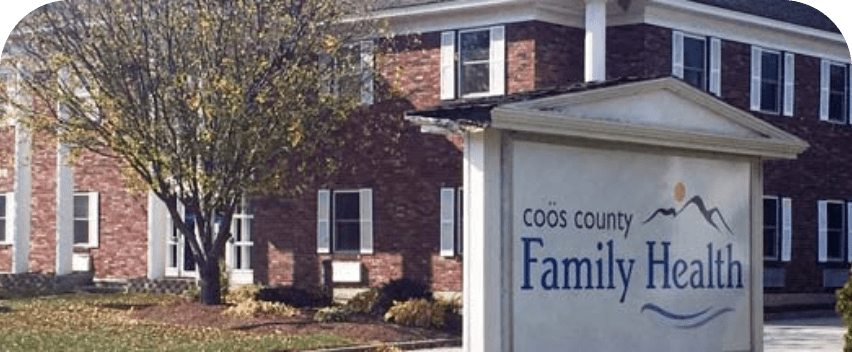
Pleasant Street Clinic
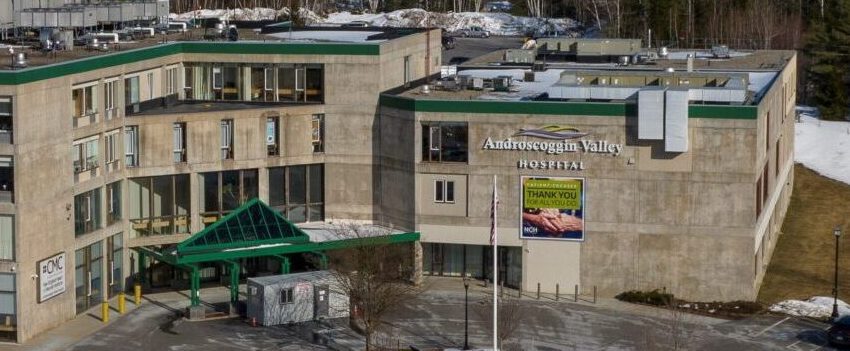
Page Hill Road Clinic
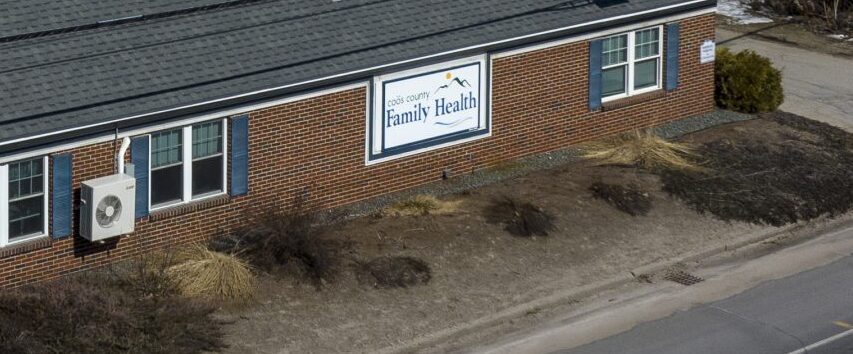
Gorham, NH Clinic
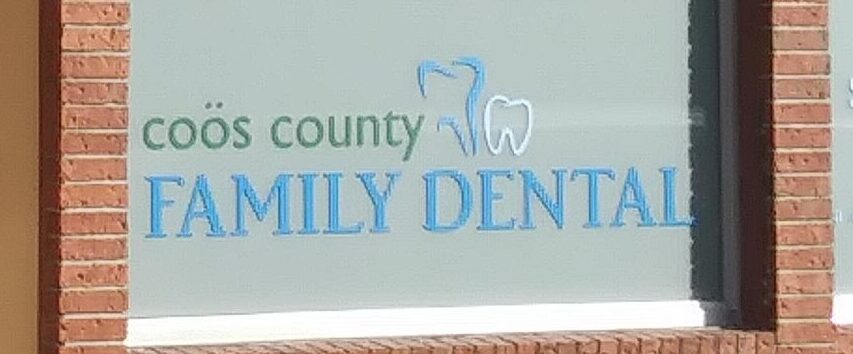
CCFHS Family Dental
54 Willow Street Berlin, NH
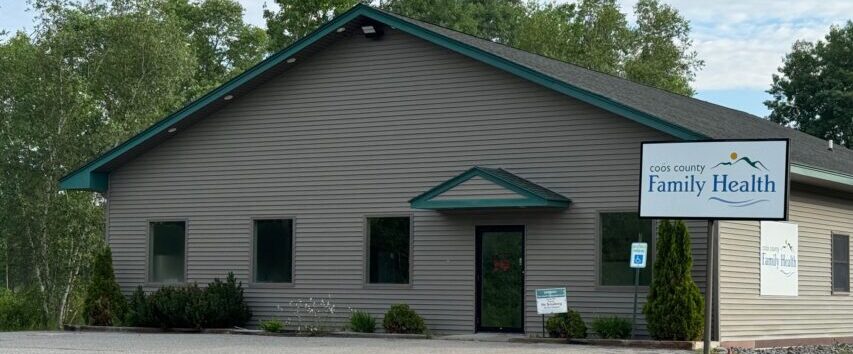
Colebrook Clinic
152 Colby Street, Colebrook, NH 03576
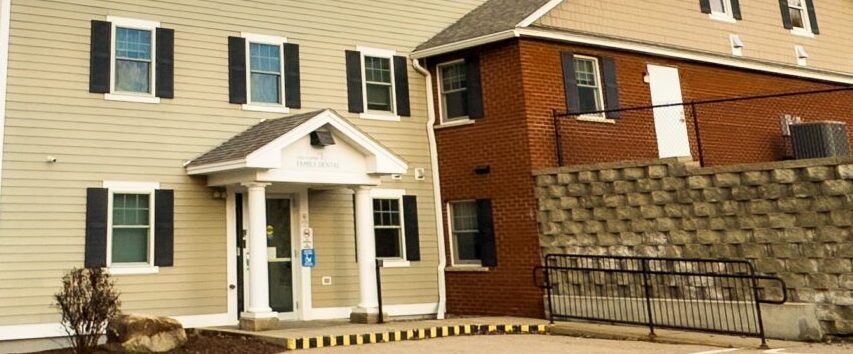
CCFHS Family Dental - Colebrook
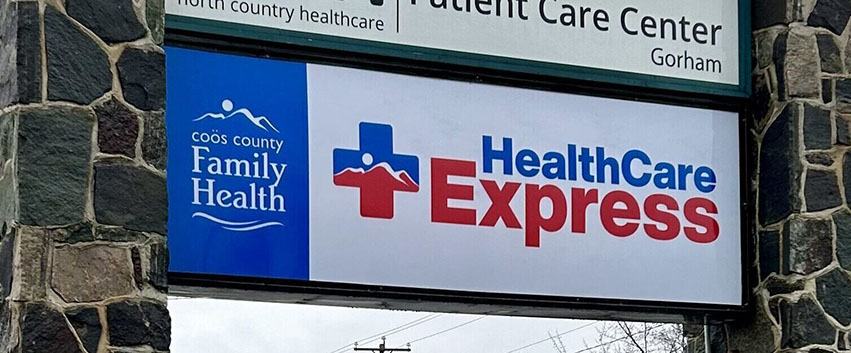
CCFHS Healthcare Express
Podiatry:
8:00 am – 4:30 pm – Monday through Friday
Express Clinic:
8:00 am – 5:00 pm – Mon, Tues, Thurs, and Fri
8:00 am – 3:00 pm – Wed
Recent News & Events

CCFHS Welcomes New Physician Assistant
Coos County Family Health Services is delighted to introduce the newest addition to our clinical team, Joshua Gleiner, PA-C. Josh is a graduate of Albany Medical College where he obtained a Master of Sciences in Medicine in Physician Assistant Studies.
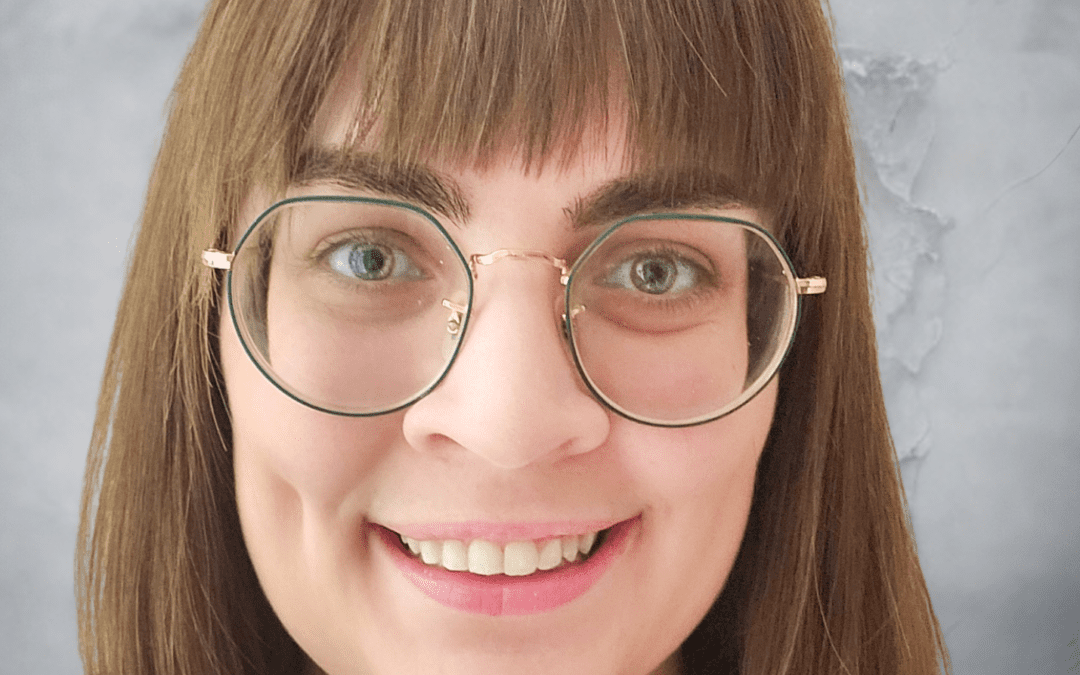
Welcome Dr. Kane
Coos County Family Health Services is delighted to introduce the newest addition to our team, Elizabeth Kane, MD. Dr. Kane is a University of Notre Dame graduate with a Bachelor of Arts in Sociology with Honors and Pre-Health Studies.
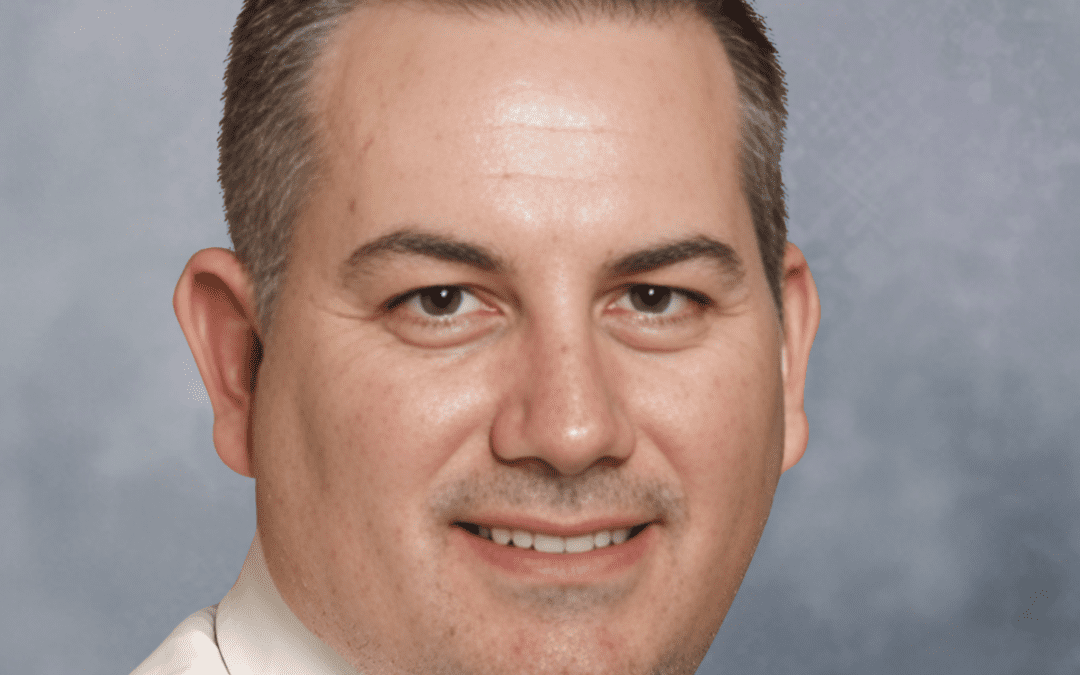
Welcome Dr. Lambert
Coos County Family Health Services is excited to introduce our newest team member, Dr. Michael J. Lambert, DMD. Dr. Lambert is a Doctor of Dental Medicine graduate from the University of New England College of Dental Medicine. His academic journey includes studies in Medical Biology at the University of New England, Stomatology at Andean University […]